Common Tax Preparation Mistakes and How to Avoid Them


Understanding Common Tax Preparation Mistakes
Tax season can bring about a mix of emotions, from anxiety to anticipation. Whether you're preparing your taxes yourself or enlisting professional help, it's crucial to be aware of common mistakes that can lead to delays or penalties. Understanding these errors is the first step in ensuring a smooth tax preparation process.
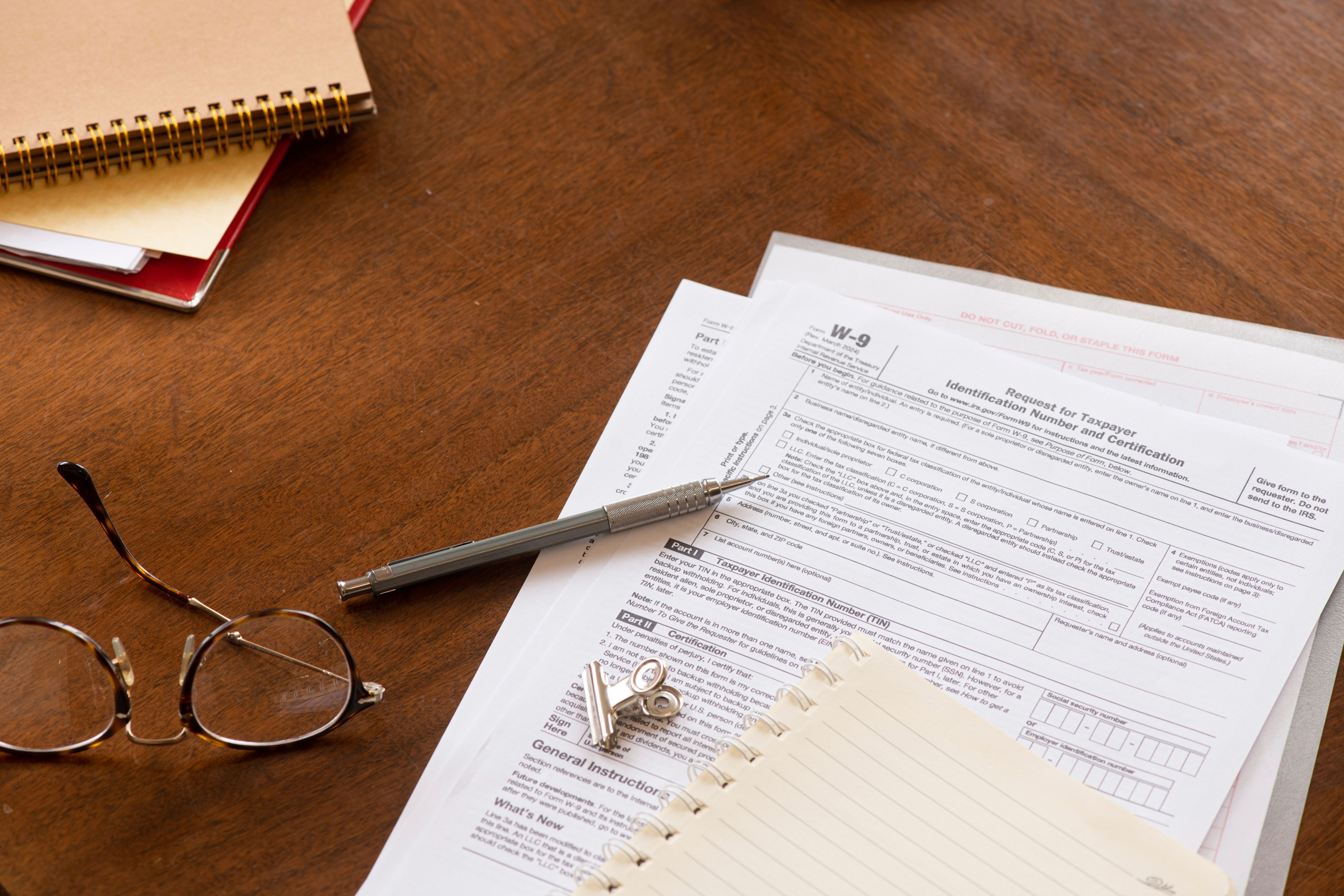
Incorrect Personal Information
One of the most basic yet frequent mistakes is entering incorrect personal information. This includes Social Security numbers, names, and filing status. Ensure that all details match your official documents. Even a small error can cause significant processing delays.
Double-checking your information before submission can prevent unnecessary complications. If you’re using software, take advantage of any built-in validation tools to catch errors early.
Overlooking Income Sources
It's essential to report all income sources, not just your primary job. This includes freelance work, rental income, and any side gigs. Forgetting to include these can result in underreporting, leading to penalties.

Maintain a comprehensive record of all income streams throughout the year. This habit will not only simplify your tax preparation but also ensure you don’t miss any necessary declarations.
Miscalculating Deductions and Credits
Deductions and credits can significantly reduce your taxable income, but they must be calculated correctly. Common areas of confusion include education credits, home office deductions, and medical expenses. Miscalculations here can lead to audits or missed savings.
- Research the specific requirements for each deduction or credit.
- Keep meticulous records to support your claims.
- Consider consulting a tax professional if you’re unsure about eligibility.
Filing Late or Not at All
Procrastination is a common pitfall during tax season. Filing late, or not at all, can result in hefty penalties and interest charges. If you think you may miss the deadline, file for an extension to avoid penalties.

Mark your calendar with crucial tax dates and set reminders to ensure you submit everything on time. Being proactive can save you from unnecessary stress and financial repercussions.
Failing to E-File or Use Direct Deposit
While paper filing is still an option, e-filing is faster and reduces the likelihood of errors. Similarly, opting for direct deposit can expedite any refunds due to you. These modern methods offer a more efficient and secure way to handle your taxes.
Incorporate these practices into your tax preparation routine to avoid common pitfalls. By staying informed and organized, you can navigate tax season with confidence and ease.