Top Financial Advisory Tips for Self-Employed Professionals


Understanding Your Income Streams
As a self-employed professional, your income can vary significantly from month to month. It's crucial to understand all your income streams and how they contribute to your overall financial picture. This understanding will enable you to manage your cash flow effectively and make informed budgeting decisions.
Start by categorizing your income sources. These might include client payments, royalties, or passive income from investments. Having a clear picture of where your money comes from allows you to plan better and set realistic financial goals.

Creating a Budget That Works for You
Budgeting is essential for managing your finances, especially when your income is unpredictable. Unlike a traditional salary, being self-employed means your earnings can fluctuate, highlighting the importance of a flexible budget.
Consider setting a baseline for monthly expenses and creating a buffer for lean months. Allocate funds for savings, taxes, and unexpected expenses. This approach will help you maintain financial stability even when your income varies.
Using Technology to Your Advantage
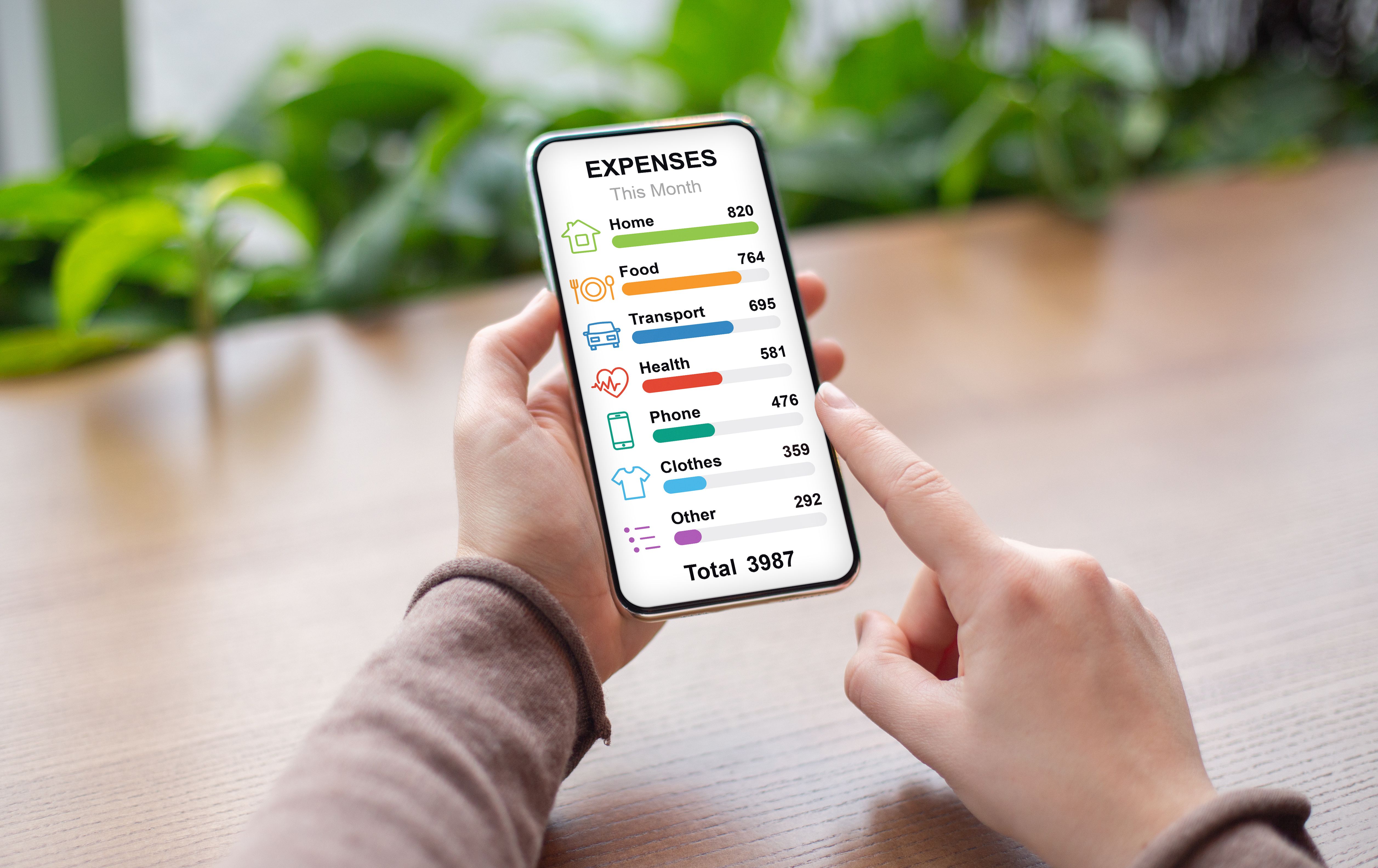
There are numerous budgeting apps and tools designed specifically for freelancers and self-employed individuals. Leveraging these can simplify your budgeting process, helping you track expenses and income more efficiently.
Setting Aside Money for Taxes
Unlike traditional employees, self-employed professionals are responsible for calculating and paying their own taxes. It's a good idea to set aside a percentage of your income each month to cover your tax obligations.
Consulting with a tax professional can be beneficial in understanding your specific tax requirements and ensuring you're compliant with all regulations. They can also help you identify potential deductions, which can reduce your tax burden.
Quarterly Tax Payments
Many self-employed individuals are required to make quarterly tax payments. Be sure to mark these dates on your calendar to avoid late fees and penalties. Regular payments can also prevent a large tax bill at the end of the year.

Building an Emergency Fund
An emergency fund is a financial safety net that can help you navigate unexpected expenses or periods of reduced income. Aim to save at least three to six months' worth of expenses in an easily accessible account.
This fund will provide peace of mind and financial security, allowing you to focus on your business without the stress of financial uncertainty.
Strategies for Saving
Consider automating your savings to ensure you're consistently contributing to your emergency fund. Even small, regular deposits can add up over time and strengthen your financial resilience.

Retirement Planning for the Self-Employed
Planning for retirement is just as important for self-employed professionals as it is for those in traditional employment. Investigate retirement savings options such as a Solo 401(k), SEP IRA, or SIMPLE IRA, which offer tax advantages and flexibility.
Determine how much you need to save to meet your retirement goals and create a plan to achieve them. Regular contributions, even in smaller amounts, are critical to building a robust retirement fund.
By taking charge of your financial future, you can enjoy the benefits of self-employment while ensuring long-term financial stability.