Top Financial Advisory Tips for Self-Employed Professionals


Understanding the Unique Financial Needs of the Self-Employed
Being self-employed offers flexibility and independence, but it also comes with unique financial challenges. Unlike traditional employees, self-employed professionals must manage their own benefits, taxes, and retirement plans. Understanding these distinct needs is crucial for financial success.
One of the first steps is to separate personal and business finances. This helps in tracking expenses, understanding cash flow, and preparing for tax deductions. Consider opening a dedicated business bank account to streamline this process.

Prioritizing an Emergency Fund
An emergency fund is essential for anyone, but it's especially critical for self-employed individuals due to income variability. Aim to save at least three to six months’ worth of living expenses. This buffer provides peace of mind during lean periods or unexpected expenses.
Automate your savings by setting up regular transfers to a high-yield savings account. This way, you’re consistently contributing to your emergency fund without having to think about it.
Managing Taxes Efficiently
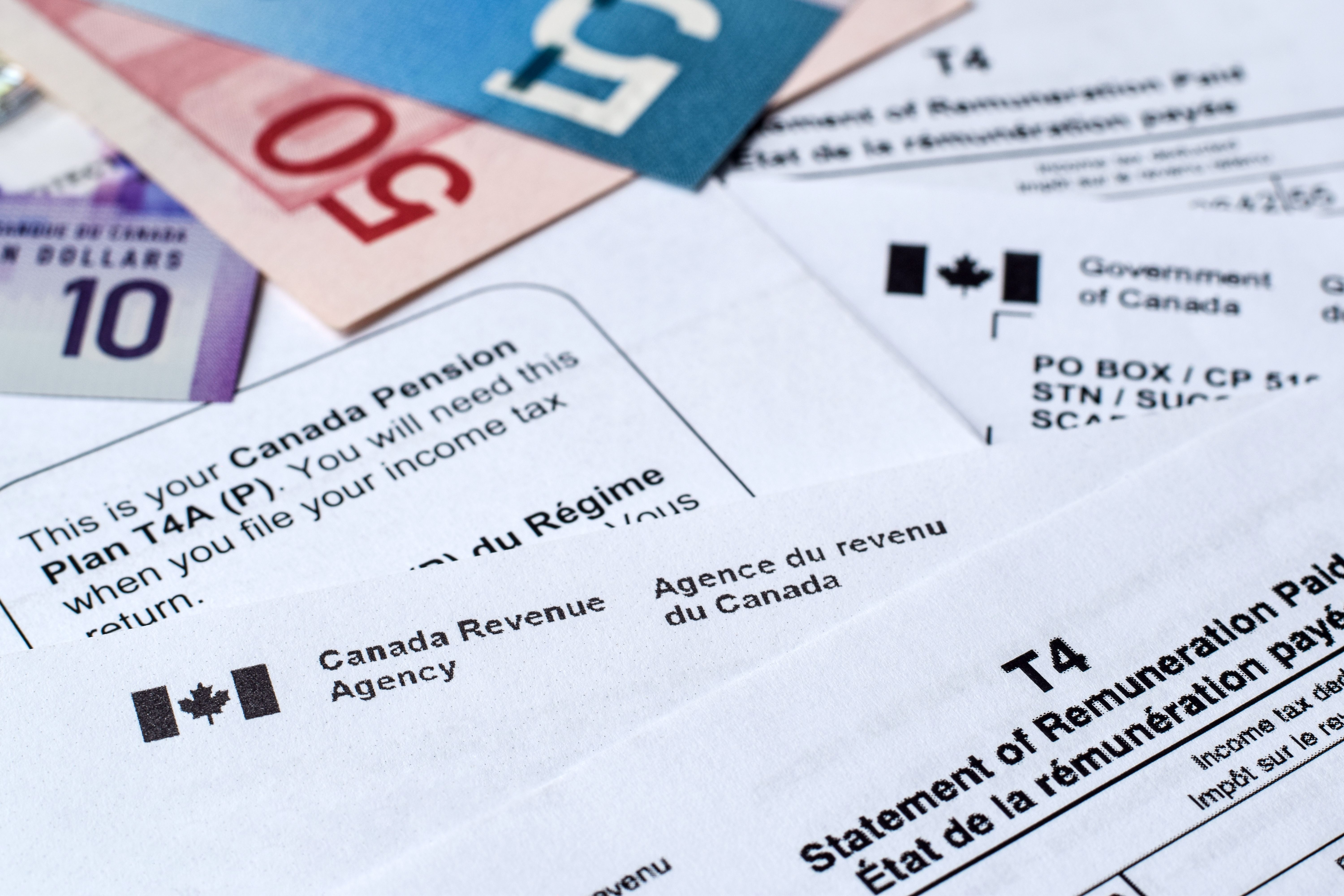
For self-employed professionals, tax responsibilities can be more complex. It's important to stay organized and keep accurate records of all income and expenses. Consider using accounting software to simplify this task.
Additionally, make estimated tax payments quarterly to avoid penalties. These payments can be calculated based on last year’s taxes or this year's expected income. Consult with a tax advisor to ensure compliance and optimize deductions.
Planning for Retirement
Without employer-sponsored retirement plans, self-employed individuals must take charge of their own retirement savings. Options such as SEP IRAs, SIMPLE IRAs, and Solo 401(k)s provide tax advantages and flexibility.
Determine which plan aligns with your financial goals and begin contributing as early as possible. Regular contributions, even in small amounts, can significantly impact your retirement savings over time.
Investing in Health Insurance
Health insurance is a significant consideration for self-employed professionals. Investigate the options available through government exchanges or consider joining an association that offers group insurance rates.
While it might be tempting to forgo insurance to save money, unexpected medical expenses can be financially devastating. It's important to find a plan that balances coverage and cost.

Seeking Professional Financial Advice
Finally, consider hiring a financial advisor who understands the needs of self-employed professionals. A knowledgeable advisor can help develop a comprehensive financial plan, from tax strategies to investment advice.
Working with a professional ensures you're making informed decisions and helps navigate the complexities of self-employment finances, leading to long-term financial success.