Top Financial Advisory Tips for Self-Employed Professionals


Understanding Your Financial Needs
Being self-employed offers incredible freedom, but it also comes with unique financial challenges. Understanding your financial needs is crucial. Start by evaluating your income streams and expenses. This will help you create a budget that accommodates fluctuations in your earnings.
Consider setting up a separate business account to manage your finances more effectively. This can simplify tax filing and ensure you’re always clear on your financial status.

Building an Emergency Fund
For self-employed professionals, having an emergency fund is non-negotiable. Aim to save at least three to six months’ worth of expenses. This fund will act as a financial cushion during lean periods or unexpected circumstances.
Allocate a percentage of your monthly income to this fund. Automating your savings can help you stay consistent, ensuring that you’re prepared for any financial surprises.
Smart Investment Strategies
Investing is a key component of financial growth for self-employed professionals. Diversify your investment portfolio to balance risk and reward. Consider stocks, bonds, and mutual funds based on your risk tolerance and financial goals.
It might be beneficial to consult with a financial advisor to tailor an investment strategy suited to your unique situation. Keep in mind that regular reviews of your portfolio will help you stay on track.

Retirement Planning
Without an employer-sponsored retirement plan, self-employed individuals must take charge of their retirement savings. Explore options like a Solo 401(k), SEP IRA, or a SIMPLE IRA. These plans offer tax advantages and flexibility.
Regular contributions to your chosen retirement plan can ensure a comfortable future. Consider increasing your contributions as your income grows over time.
Tax Efficiency
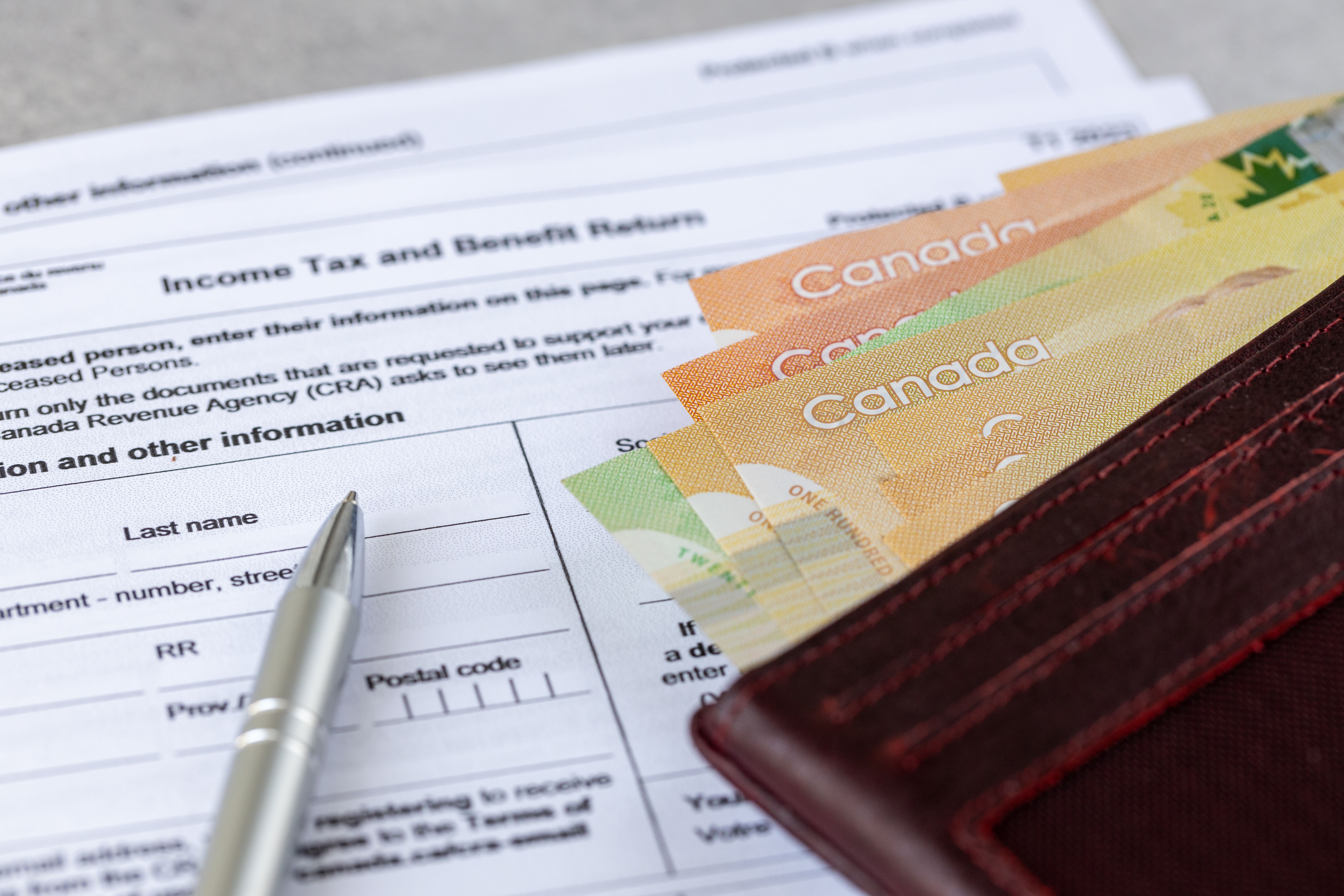
Understanding and maximizing tax deductions is essential for self-employed professionals. Keep detailed records of all business expenses, as these can significantly reduce your taxable income.
Expenses like home office space, travel, and supplies may qualify as deductions. Consider hiring a tax professional to navigate complex tax laws and ensure compliance.
Insurance Considerations
Insurance is an often-overlooked aspect of financial planning for the self-employed. Health, disability, and liability insurance are crucial to protect your finances.
Research different insurance options and select plans that offer the best coverage for your needs. It’s an investment in your peace of mind and financial security.
Regular Financial Reviews
Finally, conduct regular financial reviews to assess your progress and make necessary adjustments. This includes revisiting your budget, savings, investments, and insurance policies.
Setting aside time monthly or quarterly for these reviews can help you stay proactive in managing your finances, ensuring long-term success and stability.