A Comprehensive Guide to Filing Your Income Tax in Wisconsin


Understanding Wisconsin Income Tax
Filing your income tax in Wisconsin can seem daunting, but with a little guidance, you can navigate the process smoothly. Wisconsin has its own set of tax regulations, which means you need to be aware of both federal and state requirements. This guide will help you understand the essential steps and ensure you're well-prepared.

Determine Your Filing Status
Your filing status in Wisconsin will depend on your marital status and family situation. The common statuses include single, married filing jointly, married filing separately, and head of household. Your status affects your tax rates and the deductions you can claim. Make sure to choose the one that best fits your situation.
Gather Necessary Documents
Before you begin filing, gather all necessary documents. This includes your W-2 forms from employers, 1099 forms for other income, and receipts for deductions. Having these documents ready will make the process quicker and reduce the likelihood of errors.
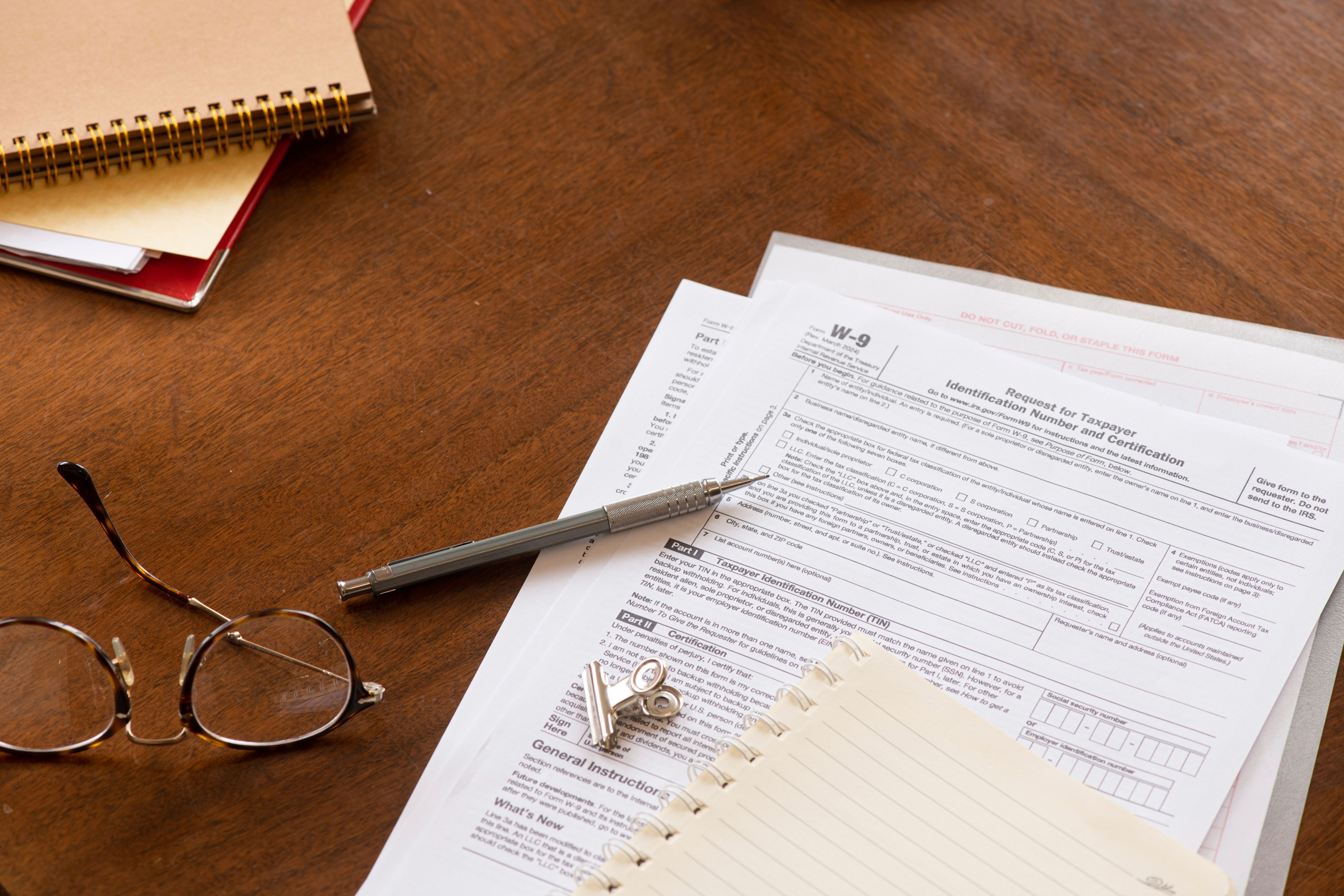
Filing Your Wisconsin Income Tax
Once you have your status and documents ready, it’s time to file. You can file electronically through the Wisconsin Department of Revenue's website or use a paper form. Filing electronically is faster and reduces the possibility of errors.
Understanding Deductions and Credits
Wisconsin offers several deductions and credits that can reduce your tax liability. Common deductions include student loan interest, tuition, and retirement contributions. Tax credits, like the Homestead Credit, can also provide significant savings. Be sure to explore all options to maximize your return.

Check for Errors
Before submitting your return, double-check for any errors. Ensure that all personal information is correct and that you've entered all income and deductions accurately. Simple mistakes can lead to processing delays or audits.
After Filing Your Wisconsin Tax
Once you file, keep copies of your return and all supporting documents for at least three years. This is important should you need to reference them or if any issues arise regarding your filing.
Track Your Refund
If you are expecting a refund, you can track its status on the Wisconsin Department of Revenue's website. Typically, refunds are processed within a few weeks of filing, especially if you filed electronically.

Seek Professional Help If Needed
If your tax situation is complex, consider seeking help from a tax professional. They can provide guidance tailored to your circumstances and ensure that you are in compliance with all state and federal tax laws.